

Benefits of Dynamic Websites
- Personalization: Content can be tailored to individual users based on their behavior, preferences, or profiles, enhancing user experience.
- Interactivity: Users can interact with the website in real time, submitting forms, leaving comments, or participating in discussions.
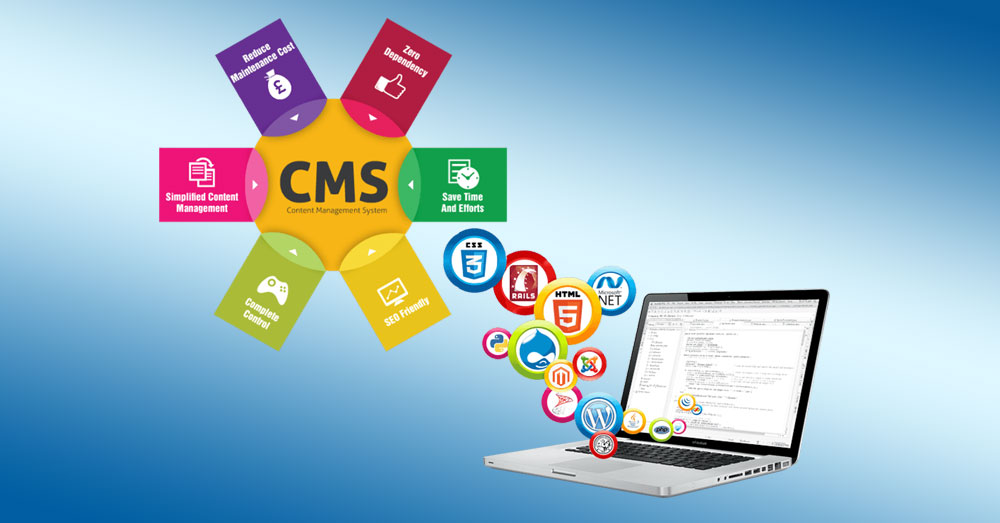
- Content Management: Dynamic websites are often powered by content management systems (CMS) like WordPress, which simplify the process of creating and managing content without needing extensive coding knowledge.
- Scalability: They can easily handle large amounts of content and users, making them suitable for blogs, e-commerce sites, and large applications.
- Up-to-Date Information: Dynamic websites can display real-time data, such as news updates, stock prices, or user-generated content, ensuring that users always receive the latest information.
Use Cases for Dynamic Websites
- E-Commerce: Online stores that require product listings, shopping carts, and user accounts.
- Social Networks: Platforms where users create profiles, post content, and interact with others.
- Blogs and News Sites: Dynamic platforms that allow for frequent updates and user engagement through comments and shares.
- Web Applications: Software applications accessed via the web, such as online tools and services.
Building a Dynamic Website
- Planning:Determine the website’s purpose, audience, and key features.
- Development: Choose a server-side language and framework (like Django, Ruby on Rails, or Node.js) to create the backend, and set up a database for content management.
- Frontend Development: Design the user interface using HTML, CSS, and JavaScript, ensuring it’s responsive and user-friendly.
- Testing: Conduct thorough testing to ensure functionality, performance, and security across different browsers and devices.
- Deployment: Host the website on a server capable of running dynamic applications, ensuring it’s secure and scalable.
Conclusion
Dynamic websites offer flexibility, interactivity, and personalized experiences that are essential for modern web applications. Whether you’re building an online store, a social platform, or a content-rich site, understanding the features and benefits of dynamic websites can help you create a more engaging online presence.